
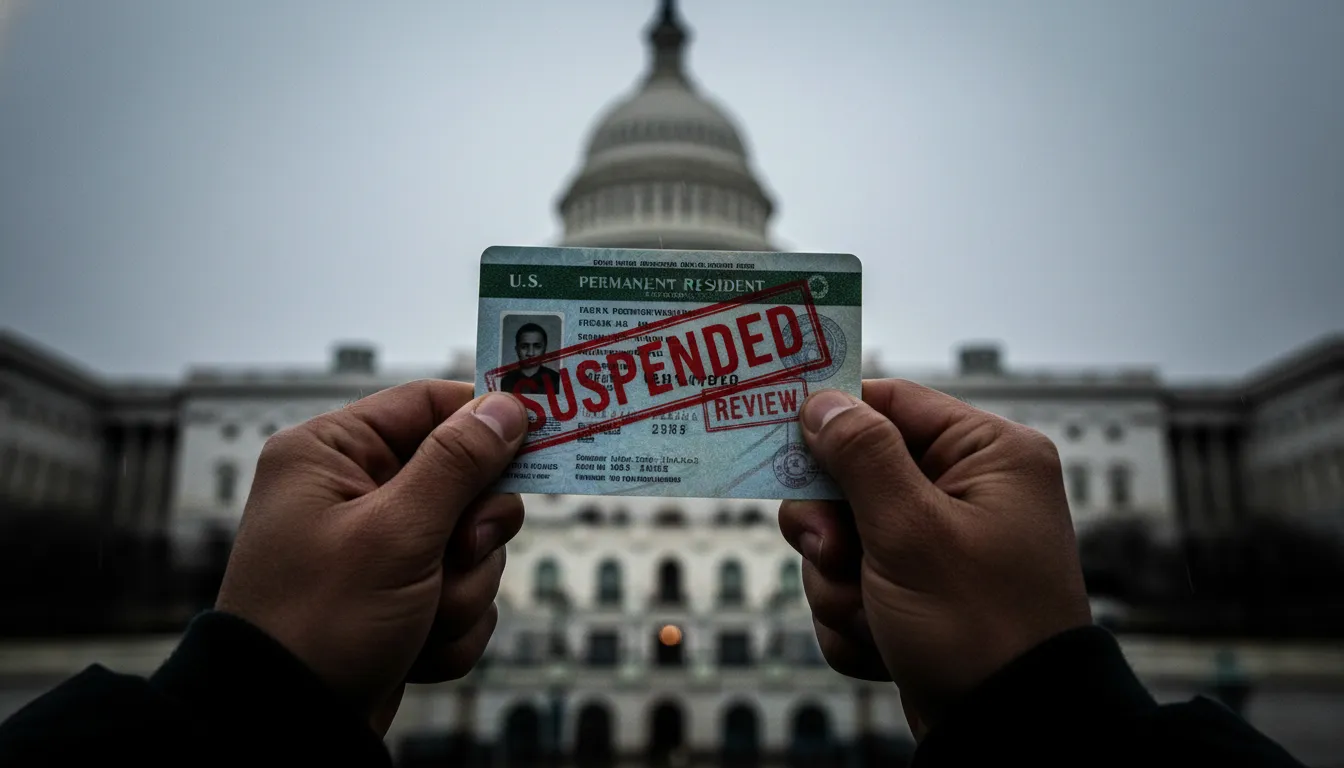
Major shifts in U.S. immigration policy are reshaping residency, visas, and citizenship pathways as of late 2025. Driven by new presidential directives, these changes focus on border control and national security, impacting millions of applicants.
This guide breaks down the key policy shifts, USCIS updates, and the action steps you need to take to navigate the new landscape.
Key Policy Changes and Directives
A series of executive orders have introduced some of the most significant immigration changes in years. Here are the most critical updates:
-
Permanent Pause on Immigration from Certain Nations
A “permanent pause” on immigration from several unspecified developing nations was announced on November 28, 2025. This halt on new entries has no defined end date. -
Large-Scale Refugee and Green Card Reviews
All 233,000 refugees admitted between 2021-2025 now face mandatory re-interviews and vetting.-
Green card approvals for this group are suspended.
-
Applicants have no right to appeal.
-
Applications from Afghanistan are frozen.
-
Green cards issued to nationals from 19 “countries of concern” are being reexamined.
- End of Benefits for Noncitizens
There are active plans to end federal public benefits for noncitizens.
-
Important 2025 Immigration Timelines and Deadlines
Keep track of these critical dates:
-
Refugee Review: Began November 21, 2025. A full list for re-interviews will be compiled within three months.
-
Biometric Data Collection: The DHS will begin expanded biometric collection for noncitizens starting December 26, 2025.
-
TPS Termination: Syria’s Temporary Protected Status (TPS) ended on November 21, 2025.
-
Religious Worker Visas: The Special Immigrant Religious Worker program is set to expire on January 30, 2026.
Note: Legal challenges are currently blocking some measures, such as changes to birthright citizenship.
USCIS Processing Updates: What’s Changed?
USCIS has implemented stricter procedures that affect applicants directly:
-
Tighter Scrutiny on Family Petitions: Since August 2025, USCIS can deny family-based petitions without first sending a Request for Evidence (RFE) or Notice of Intent to Deny (NOID).
-
Removal Proceedings: The agency can initiate removal proceedings for the over 2.4 million pending cases if fraud is suspected.
-
End of Automatic EAD Extensions: The automatic 540-day extension for Employment Authorization Documents (EAD) ended on October 30, 2025. Renewals filed after this date risk a gap in work authorization.
H2: Action Steps: How to Protect Your Immigration Status
Given these changes, it’s crucial to be proactive.
-
Check Your Case Status: Regularly check your USCIS case status online or by phone using official USA.gov resources.
-
Prepare for Reviews: Gather and organize all your documentation in case your case is selected for a review.
-
File Renewals Early: To avoid lapses in your work permit (EAD), file for renewals as early as possible.
-
Consult an Immigration Attorney: Given the complex and litigated nature of these policies, seeking professional legal advice is highly recommended.
-
Locate a Detainee: If you need to locate someone detained by ICE, use only official government channels.
The U.S. immigration system is undergoing rapid transformation. Staying informed through reliable sources and taking timely, careful action is more important than ever to ensure compliance and protect your path to residency and citizenship.