Trump’s Pennsylvania Trip: A Strategic Move Amid Economic Concerns
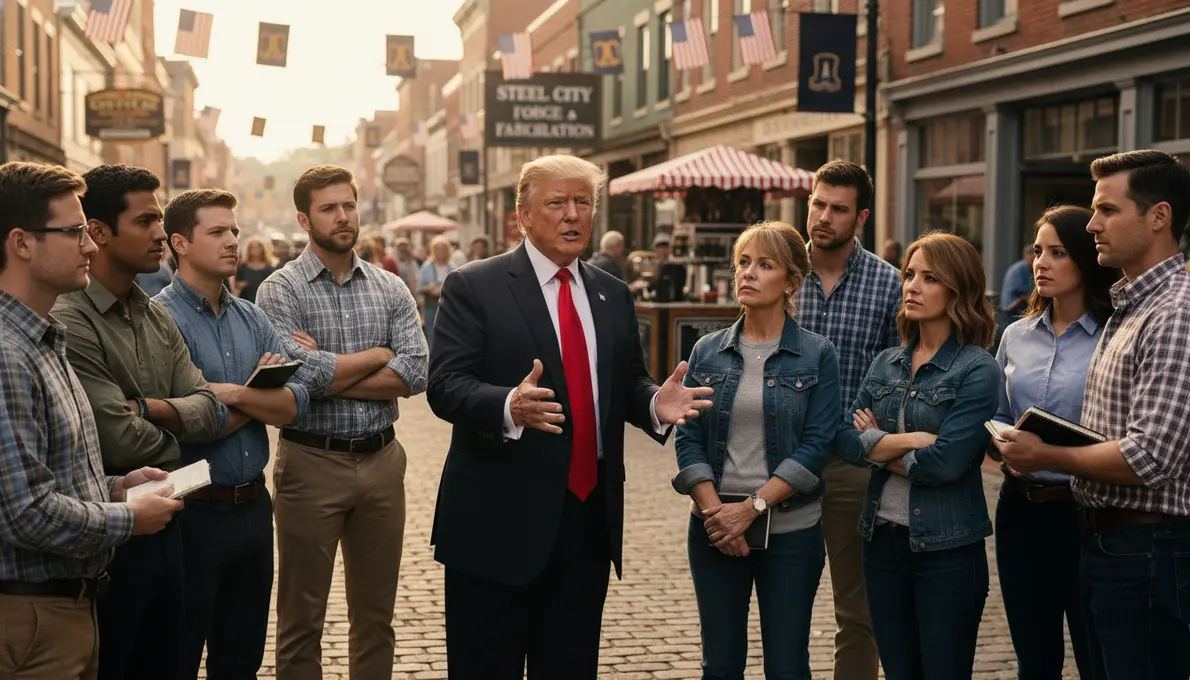
President Donald Trump is set to make a noteworthy visit to Pennsylvania this Tuesday, aiming to champion his economic agenda as polls reveal a considerable number of Americans are anxious about their financial futures. An October survey conducted by NBC News found that nearly two-thirds of participants felt Trump was falling short on his promises to lower costs and invigorate the economy.
While White House officials assert that the president’s policies have indeed bolstered the economy, they also maintain that he is actively attempting to reverse the damage caused by his predecessor, Democrat Joe Biden. However, the choice to travel to Pennsylvania—a state that is politically pivotal—suggests a recognition that Trump hasn’t quite succeeded in convincing the public of his economic narrative.
Reiterating the Economic Message
As described by a White House official who preferred to remain anonymous, the trip is less about substantive policy changes and more about reinforcing a narrative: “Guys, we’ve been working on this since Day 1.” This indicates a strategy aimed at reminding voters of the administration’s ongoing efforts, even if those efforts haven’t yet resonated widely.
Concerns among Republican members in Congress are mounting, with many fearing that the GOP’s fragile hold on the House could easily dissipate in the upcoming midterm elections. Inflation, rising interest rates, and a tightening job market are pressing issues that could swing voter sentiment against them.
One Republican strategist specializing in midterm campaigns remarked, “Dozens of members and senators have been voicing concerns for several months to anyone that will listen.” This sense of urgency underscores the gravity of the economic climate as it relates to electoral prospects.
A Mixed Economic Message
The administration’s messaging about the economy has been notably inconsistent. White House aides often spotlight policies they claim are aiding economic recovery, even as Trump himself has labeled affordability as a “con job” or a “hoax” on occasion. According to the anonymous White House official, when Trump questions the validity of the affordability crisis, he is implying that the Democrats are attributing problems to him that are “entirely of their own making.”
Policy Initiatives Amidst Economic Critique
On Wednesday, Trump highlighted plans to roll back fuel efficiency standards with the goal of reducing car prices. His aides also reference initiatives such as “baby bonds” and attempts to decrease prescription drug costs as proof of his dedication to easing the financial burden on American families.
Nonetheless, the decision to address a politically competitive area about economic challenges reflects a newfound sensitivity to how voters perceive their economic situation. Recent gubernatorial races in Virginia and New Jersey saw Democrats successfully highlight affordability as the crucial issue in their campaigns. Furthermore, the out-of-power Democrats are actively criticizing the Trump administration for failing to meet current economic needs.
Impending Challenges for Republicans
With subsidies for the Affordable Care Act due to expire at the end of the year, the Democratic Congressional Campaign Committee is targeting vulnerable GOP members for potentially exacerbating the struggles of millions. DCCC spokesperson Justin Chermol stated, “The clock is ticking for Congress to take action on fixing the Republican health care crisis, but the so-called moderates are refusing to act. These phonies will be held accountable for their cruelty next year.”
Trump’s upcoming trip may serve as a barometer for his approval and an opportunity to reshape the narrative surrounding his economic policies. But as the clock ticks towards midterm elections, both parties are acutely aware that their messaging on economic issues could determine their fates at the polls.