Immigration Applications Halted by Trump Administration
In a significant move, the Trump administration announced on Tuesday that immigration applications from nationals of 19 countries, which already faced travel restrictions to the United States, would be put on hold. According to a memo from U.S. Citizenship and Immigration Services (USCIS), this decision underscores a complex balance between national security and the burden of delays on applicants.
Delays: A Necessary Evil?
The USCIS memo released on Tuesday mentions, “USCIS has considered that this direction may result in delay to the adjudication of some pending applications and has weighed that consequence against the urgent need for the agency to ensure that applicants are vetted and screened to the maximum degree possible.” It’s the bureaucratic version of “better safe than sorry,” and let’s be honest—who hasn’t used that line before when hitting the snooze button for the third time?
Amid the chaos, the agency has concluded that the realities of delayed processes are a necessary evil when pitched against the obligation to protect national security. It’s a bit like choosing between a rock and a hard place, only this time, it seems the rock has been given a promotion.
The Context Behind the Pause
According to reports from the New York Times, the decision to pause immigration applications follows some harrowing incidents, including the shooting of two National Guard members in Washington, D.C., leaving one dead and the other critically wounded. Adding a twist to the story, the alleged shooter is an Afghan national who legally entered the U.S. and was granted asylum during Trump’s second term. Can you say “plot twist”?
Impact on Asylum Applications
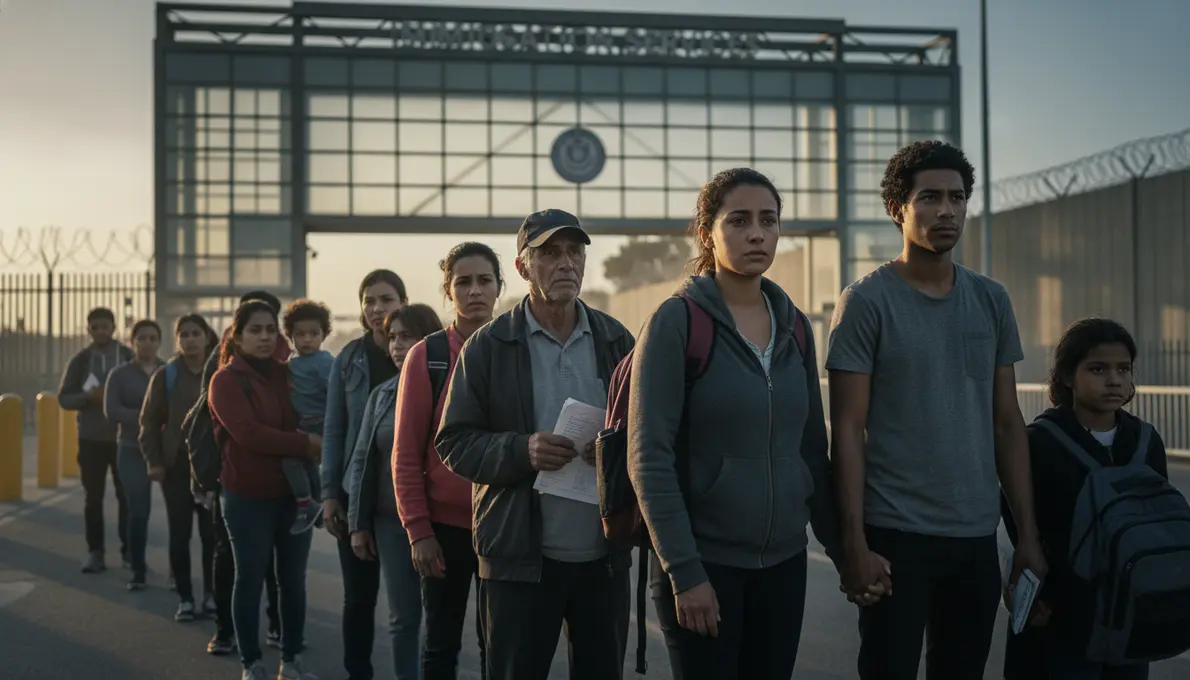
The new hold on applications is poised to affect over 1.4 million people with pending asylum requests. Yup, you read that right—1.4 million! That’s a crowd large enough to fill a sports stadium, or at least a very crowded coffee shop where everyone is anxiously tapping their feet while waiting for their names to be called.
High-Risk Countries
This application hold specifically targets nationals from 19 high-risk countries that the Trump administration identified. The list leans heavily towards nations in Africa and Asia, marking a significant geopolitical concern. In June, Trump signed a proclamation banning nationals from 12 countries outright—including Afghanistan, Iran, Libya, Somalia, Sudan, and Yemen—while partially restricting entry from another seven: Burundi, Cuba, Laos, Sierra Leone, Togo, Turkmenistan, and Venezuela. Sounds like they really put the “fun” in “fundamentally restrict immigration,” right?
USCIS’s Stance and Future Implications
USCIS Director Joseph Edlow made quite a splash in a Newsmax interview, questioning whether Afghan nationals who entered the U.S. after the withdrawal in 2021 had been adequately vetted. His office echoed this sentiment on social media, stating, “Nothing is off the table until every alien is vetted and screened to the maximum degree possible.” Talk about a thorough background check.
Meanwhile, Homeland Security Secretary Kristi Noem didn’t hold back during her remarks on social media, recommending a full travel ban on any nation she believes is “flooding our nation with killers, leeches, and entitlement junkies.” That’s one way to build a rapport with immigrants—through an open door or a bouncer at the entrance?
Looking Ahead
As the situation evolves, the implications for those seeking immigration statuses remain uncertain. Will this pause lead to more security or simply extend a drawn-out process for many individuals in need? It’s a question that demands attention as the balance between security and human rights continues to be negotiated in today’s complex geopolitical landscape.