Supreme Court to Decide on Trump’s Birthright Citizenship Plan
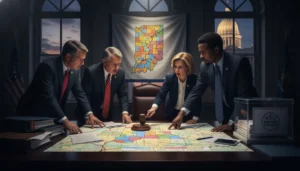
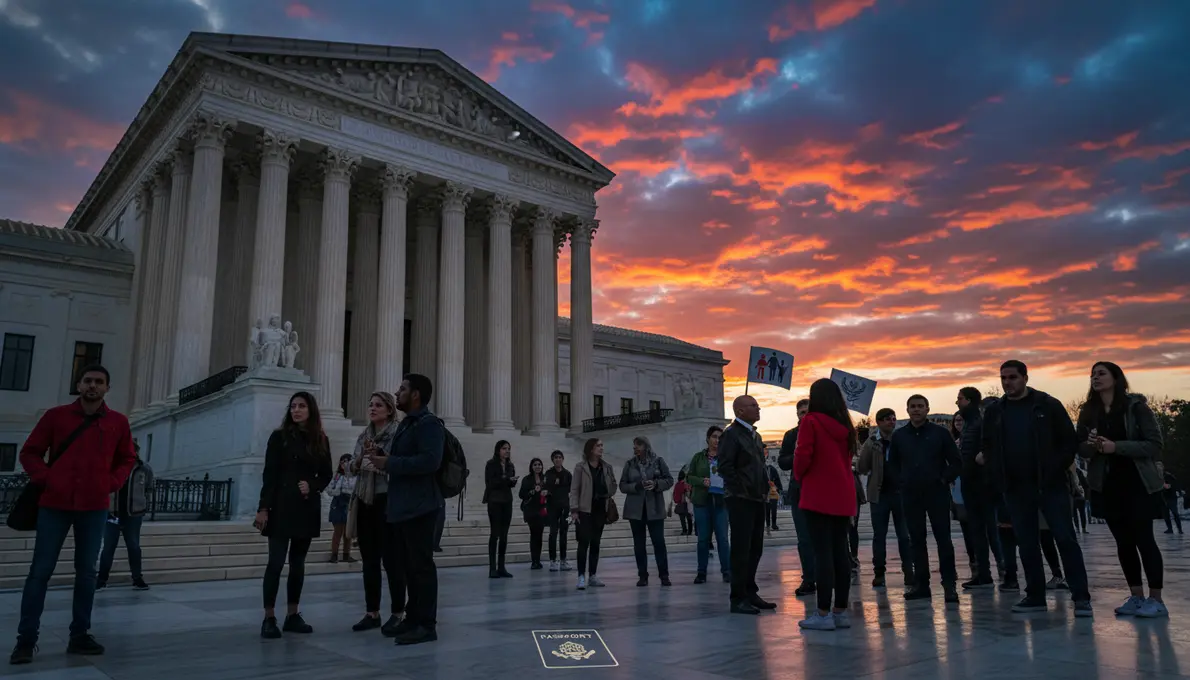
In a significant move, the Supreme Court has agreed to determine the legality of President Donald Trump’s controversial proposal to roll back automatic birthright citizenship for almost anyone born in the United States. This decision, stemming from a case in New Hampshire, is expected to reach a conclusion by the end of June and could massively impact the future of birthright citizenship in America.
The case not only represents a pivotal moment for Trump’s administration but also pits his executive power against a court that holds a 6-3 conservative majority. Interestingly, this court has avoided direct conflicts with the White House until now, making the upcoming decision all the more fascinating.
The Historical Context
Birthright citizenship has long been viewed as a constitutional guarantee under the 14th Amendment, which asserts: “All persons born or naturalized in the United States, and subject to the jurisdiction thereof, are citizens of the United States.” This language was crafted post-Civil War to ensure that Black former slaves and their offspring were granted citizenship rights.
Generally, legal scholars from various ideological backgrounds have interpreted this phrase as straightforward, with exceptions primarily for children of foreign diplomats, invading forces, and some Native American tribes. However, Trump’s administration has attempted to recalibrate this historical understanding, adopting what many consider an extreme theory advanced by anti-immigration advocates.
What’s at Stake?
Under the administration’s approach, birthright citizenship would only extend to children born to at least one parent who is a U.S. citizen or a legal permanent resident. This would exclude infants born to individuals visiting the country temporarily or those who entered illegally. Solicitor General D. John Sauer contends that the phrase “subject to the jurisdiction thereof” should only encompass children who demonstrate allegiance to the U.S., rather than those merely present on American soil.
Sauer remarks, “Yet, long after the Clause’s adoption, the mistaken view that birth on U.S. territory confers citizenship on anyone subject to the regulatory reach of U.S. law became pervasive, with destructive consequences.” His goal is to “restore the Clause’s original meaning” through Trump’s executive order.
Legal Challenges
Since its announcement on January 20, the policy has faced significant pushback in lower courts, with various judges ruling it unlawful in multiple cases, including those in Washington and New Hampshire. Consequently, the administration’s plan has yet to be enacted.
The Trump administration has already sought the Supreme Court’s intervention, successfully arguing that lower courts lacked the authority to block the plan nationwide. Notably, this previous decision did not evaluate the legal merits of the executive order.
The Plaintiffs
The case includes individual plaintiffs represented by the American Civil Liberties Union, including two newborns who would potentially be affected by the proposed policy. Interestingly, the court has not taken action on a separate lawsuit filed by states such as Washington, Arizona, Illinois, and Oregon regarding related issues.
A Broader Context
The Supreme Court has generally shown a willingness to align with the Trump administration in cases presented this year. However, many experts believe that the birthright citizenship debate might become a notable exception to this trend.
As major tests of Trump’s executive power continue to pile up before the court, with imminent rulings regarding his broad use of tariffs and authority over executive appointees on the horizon, this birthright citizenship case could mark a turning point in the legal landscape of the country.
In the end, whether this proposed shift in interpreting birthright citizenship moves forward remains uncertain, but the implications could reshape the very definition of citizenship in the United States for generations to come. Buckle up—it’s going to be a wild ride!