The Three Branches of the U.S. Government: A Simple Guide
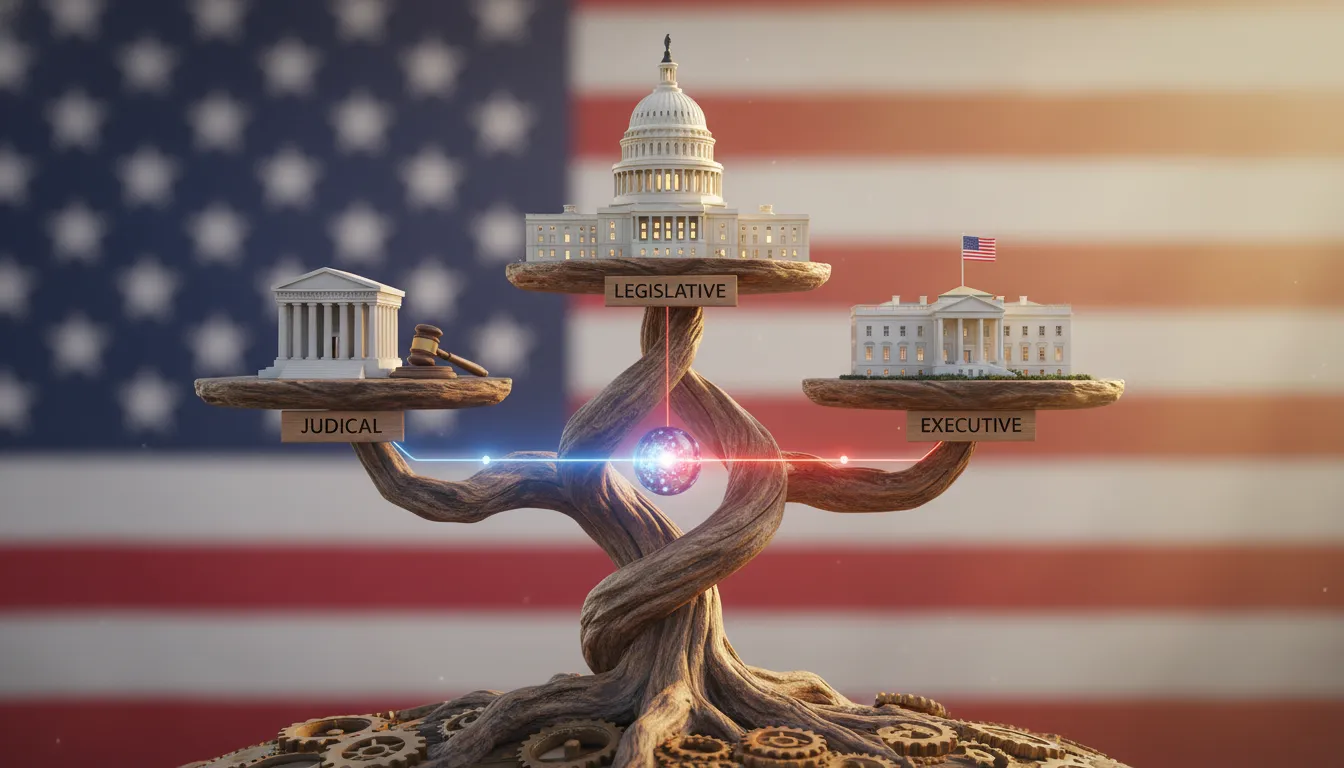
The U.S. Constitution divides the federal government into three separate branches to prevent any single group from having too much power. This system, known as the separation of powers, is kept in balance because each branch can limit the others through a system of checks and balances.
1. The Legislative Branch: Makes the Laws
This branch is responsible for creating the nation’s laws. It is made up of the U.S. Congress, which has two parts:
-
The House of Representatives: Members represent districts based on population.
-
The Senate: Each state has two Senators, regardless of its size.
Key Powers of Congress:
-
Writes, debates, and passes federal laws.
-
Approves the federal budget and sets taxes.
-
Has the power to declare war.
-
Approves or rejects the President’s choices for key jobs (like Supreme Court Justices).
-
Can override a presidential veto with a two-thirds vote in both chambers.
2. The Executive Branch: Enforces the Laws
This branch is responsible for carrying out and enforcing the laws passed by Congress. It is led by the President and includes:
-
The Vice President
-
The President’s Cabinet
-
Federal departments and agencies (e.g., Department of Defense, Department of Homeland Security).
Key Powers of the Executive Branch:
-
Enforces federal laws and runs daily government operations.
-
Commands the U.S. military as Commander-in-Chief.
-
Manages foreign policy and negotiates treaties (which require Senate approval).
-
Proposes a federal budget and new laws.
-
Signs bills into law or vetoes them.
3. The Judicial Branch: Interprets the Laws
This branch explains the meaning of laws and decides how they should be applied. It is made up of the federal court system, which includes:
-
The U.S. Supreme Court (the highest court in the country).
-
Lower federal courts (e.g., Appeals Courts, District Courts).
Key Powers of the Judicial Branch:
-
Interprets the U.S. Constitution and federal laws.
-
Hears cases involving disputes under federal law.
-
Can declare a law or a presidential action unconstitutional—a power known as judicial review.
-
Supreme Court rulings are final and set a legal precedent for the entire nation.
Checks and Balances: How the Branches Work Together
The “checks and balances” system ensures that no branch can act alone. Here’s how they keep each other in check:
-
Congress can pass a law, but the President can veto it.
-
Congress can override a presidential veto with enough votes and controls the government’s money.
-
The President appoints judges and cabinet members, but the Senate must approve them.
-
The Supreme Court can strike down laws from Congress or actions from the President if it finds them unconstitutional.
This system forces the branches to cooperate and compromise.
Why Understanding This Matters to You
Knowing how the three branches work helps you to:
-
Be an Effective Citizen: Know which branch to contact for different issues (e.g., your Representative for a new law, a federal agency for a regulation, or the courts for a rights violation).
-
Understand Major Decisions: Follow how critical decisions about wars, taxes, and civil rights are made.
-
Participate in Democracy: Be an informed voter who understands who holds power and how it is used.