Political Fallout: The Afghan Refugee Debate Heats Up
In the whirlwind of emotions surrounding the U.S. withdrawal from Afghanistan in August 2021, Rep. Andy Barr, R-Ky., emerged as a staunch advocate for Afghan nationals who aided the U.S. and its allies. “We have failed in our obligation to help many of these Afghans who risked their lives, and in many cases died, for the cause of their own country in assistance to the United States, and we owe them to help them get into our country with these visas,” Barr remarked in an interview with Kentucky Educational Television.
Fast forward to today, and Barr’s comments have resurfaced following a tragic incident in Washington, D.C., where two National Guard members were shot—one sadly losing their life. The suspect, identified as Rahmanullah Lakanwal, is an Afghan national who had served alongside U.S. troops. As Lakanwal pleaded not guilty to charges including first-degree murder, the political ramifications of his status cannot be overlooked.
Republican Rivalries Intensify
In a fervent social media post, Nate Morris, one of Barr’s GOP primary rivals, stated, “I don’t believe we owe anything to foreigners from Afghanistan, but I do believe our politicians owe it to American citizens to not flood our country with thousands of people from the 3rd world who don’t share our values and never will.” This statement illustrates a widening chasm among Republicans, highlighting the sensitive nature of the Afghan resettlement issue.
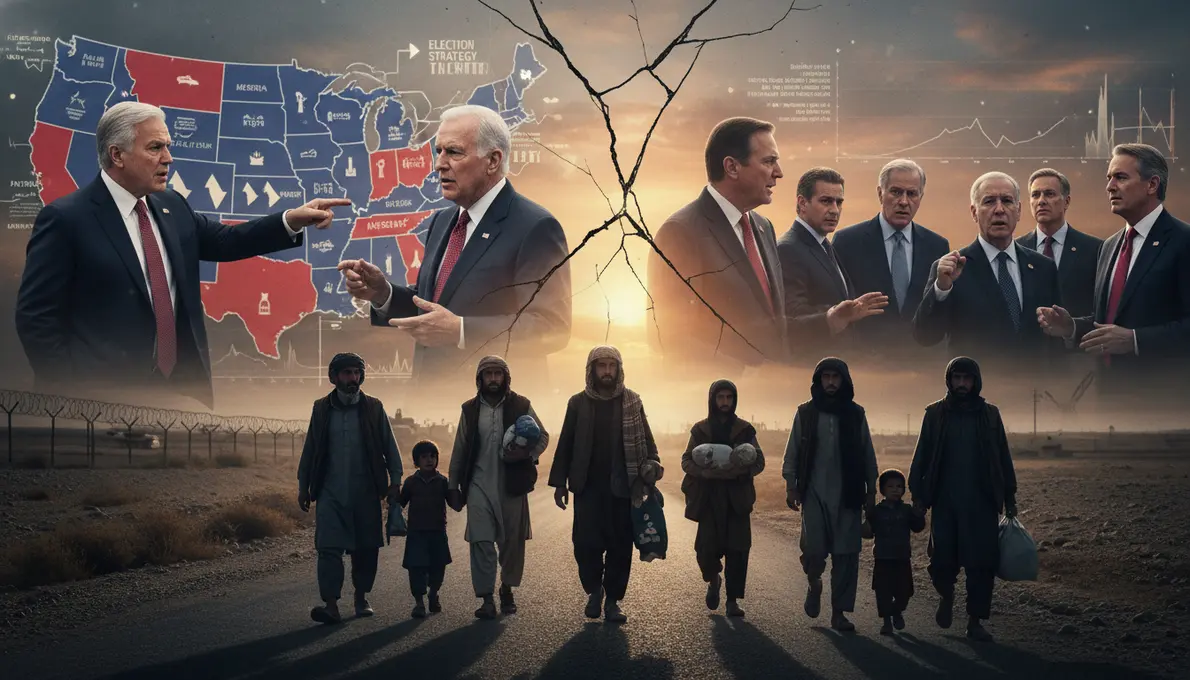
As the 2024 elections loom, the internal strife among Republicans is palpable, especially in Kentucky and Texas, where candidates tread carefully on the immigration issue. A top Republican strategist revealed anonymously, “Any Republican running in a competitive primary who has a history of supporting bringing in Afghan refugees following Biden’s withdrawal is probably not sleeping well right now.” The implications of the shooting have forced party members to reconsider their stances on immigration.
From Asylum to Accusations
Beneath the political posturing lies a grim reality. Lakanwal was granted asylum earlier this year under the Biden-era Operation Allies Welcome, designed to assist Afghans who had allied with U.S. forces. Critics point out that this program has heightened national security concerns, as the motives for last week’s shooting remain murky at best. Lakanwal had reportedly worked under CIA direction, which raises questions about the thoroughness of vetting such individuals.
Former President Trump has called for a reassessment of Afghan nationals who entered the U.S. during the Biden administration, vowing to “permanently pause” immigration from what he termed “Third World countries.”
The Legislative Tightrope
Complicating matters further, Barr, like most Republicans, supported expanding special immigrant visas for Afghan evacuees before the chaotic withdrawal. However, this stance has now become a potential liability, with Morris and others calling attention to the issue. Barr’s comments on immigration have shifted since the incident, reflecting a battle to align with base sentiments while navigating a complicated political landscape.
Meanwhile, Sen. John Cornyn of Texas, who faces challenges from within his party, has had to defend his previous support for a bill aimed at expediting special immigrant visas for Afghan allies. His spokesperson emphasized that Lakanwal arrived under the Biden program rather than through a special immigrant visa, attempting to distance Cornyn from the fallout.
A Divided GOP
The schism grows deeper as candidates like Rep. Wesley Hunt advocate for revoking special Afghan immigrant visas, framing the issue as one of loyalty to American citizens. Hunt remarked, “What unfolded last week in Washington, D.C., is a tragedy—one born from years of decisions made by entrenched elites who consistently prioritize foreigners over the American people.”
In Florida, challenges to Republican Rep. Byron Donalds touch on similar themes. Despite his initial support for resettling Afghan allies, opponents like James Fishback question his decision-making amid safety concerns.
Looking Ahead
The topic of Afghan resettlement is shaping up to be a pivotal issue in upcoming elections, with candidates scrambling to solidify their positions while avoiding backlash from an increasingly vocal voter base. As veteran representatives face off against newcomers, the debate encapsulates broader questions of national identity, voters’ trust, and the responsibilities owed to those who served alongside American forces.
In this complex landscape, surviving the political fallout may require deft maneuvering—akin to walking a tightrope over a pit of alligators, with each decision weighing heavily on the scale of political survival.